




Most luggage problems don't happen on day one. They show up in motion – on a curb, in an overhead bin, on the carousel, or halfway through a long terminal walk.
When warranty claims are reviewed at scale, patterns emerge. The same components appear again and again – not because the suitcase is "bad," but because travel stress concentrates in predictable places.
Note: This guide focuses on the most common real-world failure points across modern suitcases. Specific coverage depends on each brand's policy. For Monos details, see Warranty and repairs.
The short list: what breaks most often
In most warranty review patterns, the same four categories account for the majority of issues:
- Wheels – wear, cracking, flat spots, or breakage after hard impacts
- Telescopic handles – looseness, sticking, or damage after drops and side-load stress
- Zippers and closures – snagging, separation, or failure under overpacking
- Shell and corners – cracks (rare in premium polycarbonate), dents (common in aluminum), and corner damage
Why wheels fail (and how to prevent it)
Wheels take constant load. Every curb drop, escalator bump, and uneven sidewalk transfers force into a small component. The most common wheel issues usually come from two factors – impact and abrasion over time.
- Curbs and stairs: dropping a loaded suitcase onto wheels can stress the housing.
- Rough surfaces: long distances on gritty pavement accelerate wear.
- Side-load: pulling the suitcase at a sharp angle increases stress on one wheel.
Prevention tip: when a curb is unavoidable, tilt the suitcase onto the back edge first and lower it gently. Small habits reduce big impacts.
Why telescopic handles fail (and what "wobble" really means)
Handles are the connection point – and they experience more twisting force than most travellers realize. The biggest causes:
- Side pressure: pulling with a heavy personal item stacked on top can torque the rails.
- Drops: a fall onto the handle side can bend rails or damage the locking mechanism.
- Overextension stress: frequent yanking instead of smooth extension wears locking points faster.
A small amount of movement can be normal, but excessive wobble often signals a stability issue that will be felt in motion. For a deeper breakdown, see How Monos' telescopic handle is different (and why that matters).
Zippers and closures: the overpacking problem
Zippers do a difficult job – they hold tension around the full perimeter while the suitcase is compressed, squeezed, and sometimes forced shut.
Most zipper issues trace back to:
- Overpacking: tension concentrates at corners and can cause separation or snagging.
- Misalignment: forcing a zipper when the halves aren't aligned can damage teeth.
- Snags: interior fabric caught in a zipper track can create a failure point.
Best practice: if closing feels like a struggle, reduce volume by one layer – or switch to an option built for flexibility, such as Expandables.
Shell damage: scuffs, dents, and cracks explained
Shell wear is where expectations matter. A suitcase is a travel tool – cosmetic marks are normal. Structural failure is the concern.
| Material | Most common cosmetic wear | Most common structural risk | What to expect |
|---|---|---|---|
| Polycarbonate | Scratches, scuffs | Cracks are uncommon in premium builds, but can occur with severe impact | Often chosen for a lighter, impact-friendly travel experience |
| Aluminum | Patina, dings, dents | Dents are expected; cracking is not the intended behavior in well-chosen alloys | Often chosen for structure, premium feel, and a finish that records the journey |
For a clear material comparison, see Polycarbonate vs aluminum luggage explained.
The quiet culprit: user habits that create most issues
Many luggage problems are not "random." They come from repeatable patterns in how luggage is used:
- Dragging on two wheels: increases wear and pulls the suitcase out of alignment over time.
- Forcing closures: creates zipper and frame stress.
- Stacking heavy bags on top: adds torque to the handle system.
- Skipping basic checks: loose screws and trapped fabric become bigger issues mid-trip.
What to look for when buying luggage
Specs can look similar across brands. The most useful checklist is simple:
- Wheels: smooth, quiet roll – test fully packed if possible.
- Handle: stable feel with clear locking positions.
- Closure system: built for how the traveller packs (zipper, frame, or expandable flexibility).
- Warranty support: clear coverage and a process that feels straightforward.
A practical next step is choosing the right size: How to choose a carry-on and Carry-on size limits by airline (2026).
Where to start with Monos
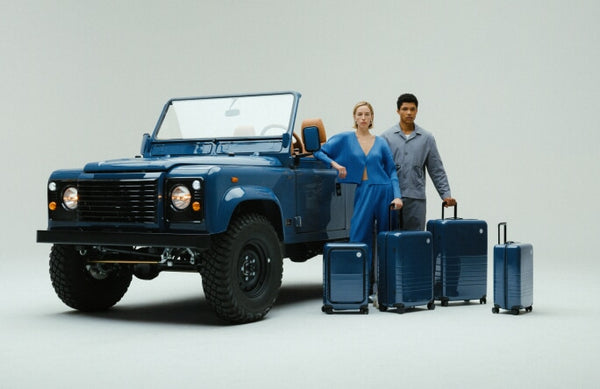
For most travellers, these collections cover the full range of needs:
- Carry-On – everyday travel and most short trips: Shop carry-on
- Check-In – longer stays and more space: Shop check-in
- Expandables – flexibility when plans change: Shop expandables
Journey on.
The best luggage is the kind that stays quiet in the background – stable wheels, a composed handle, and closures that hold up through the miles. The details that break most often are also the details that matter most.


